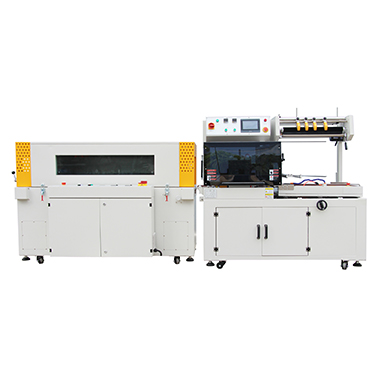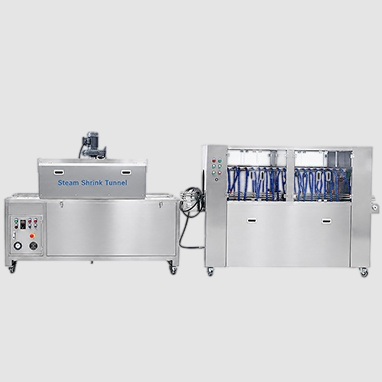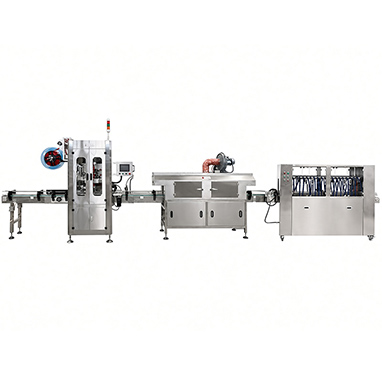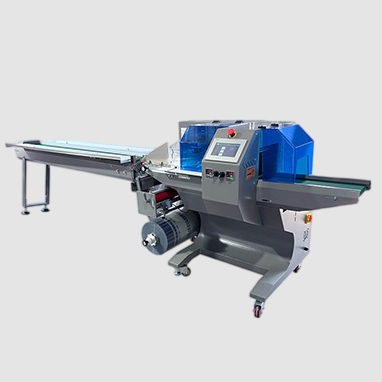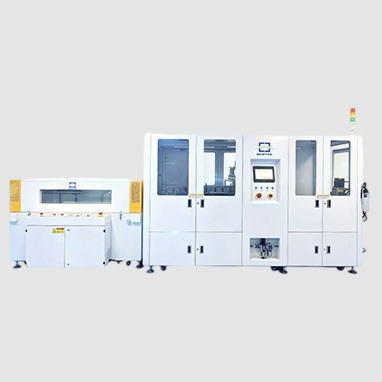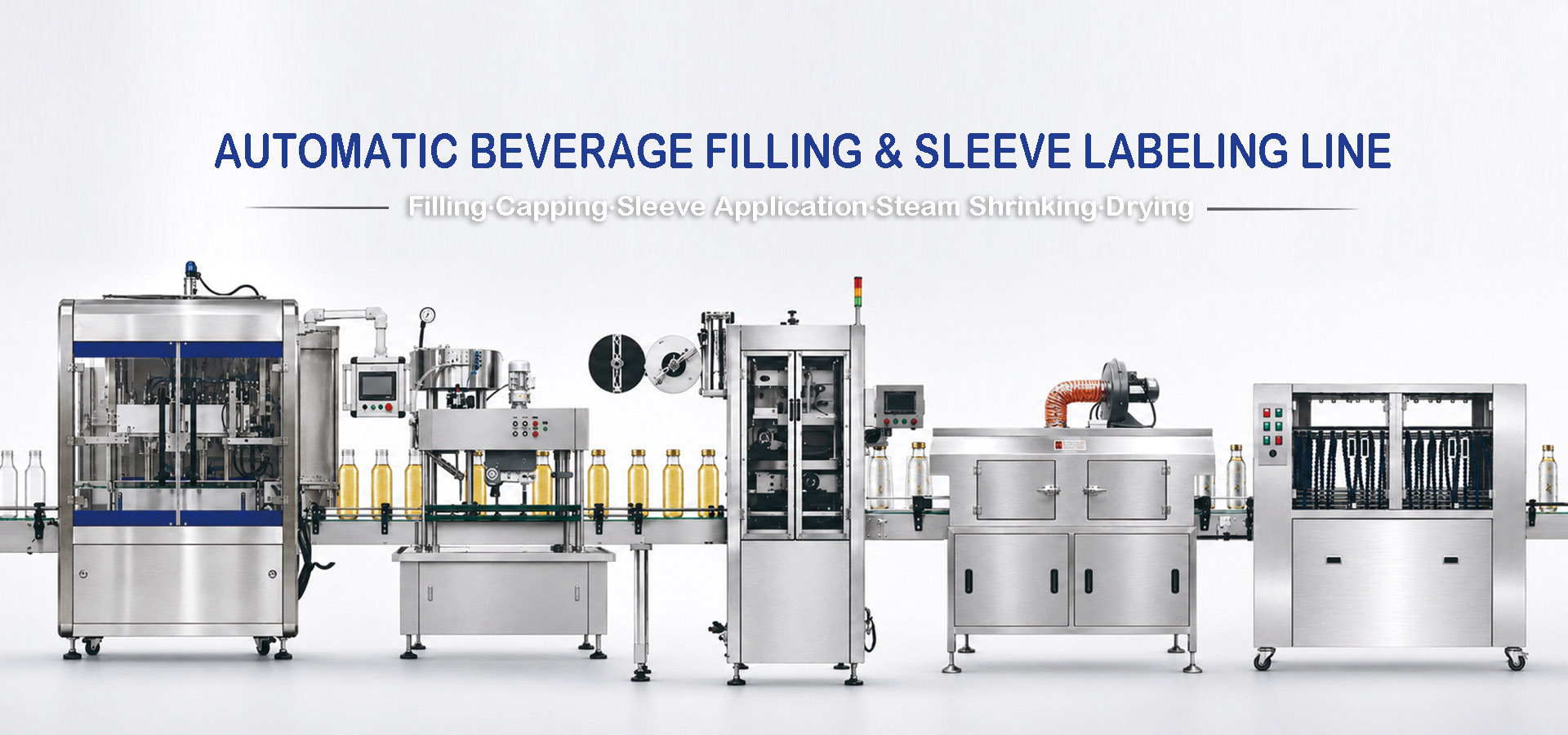
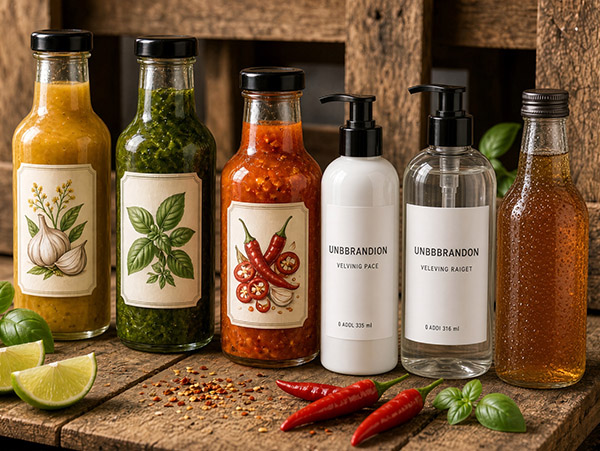

Our automatic sleeve labeling machines deliver accurate and high-speed shrink sleeve application for various bottles and containers. ✓ Flexible Integration: Compatible with both steam and electric heat shrink tunnels. ✓ Customizable Setup: Add an optional bottle dryer to create a complete, turnkey labeling line. ✓ Versatile Application: Designed to handle diverse container shapes and packaging films.
Read More
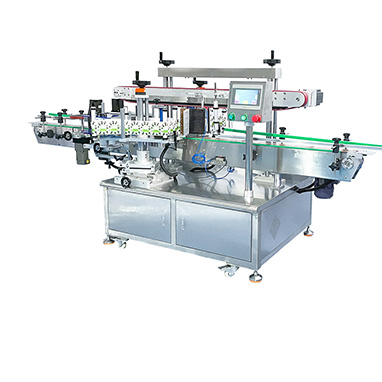
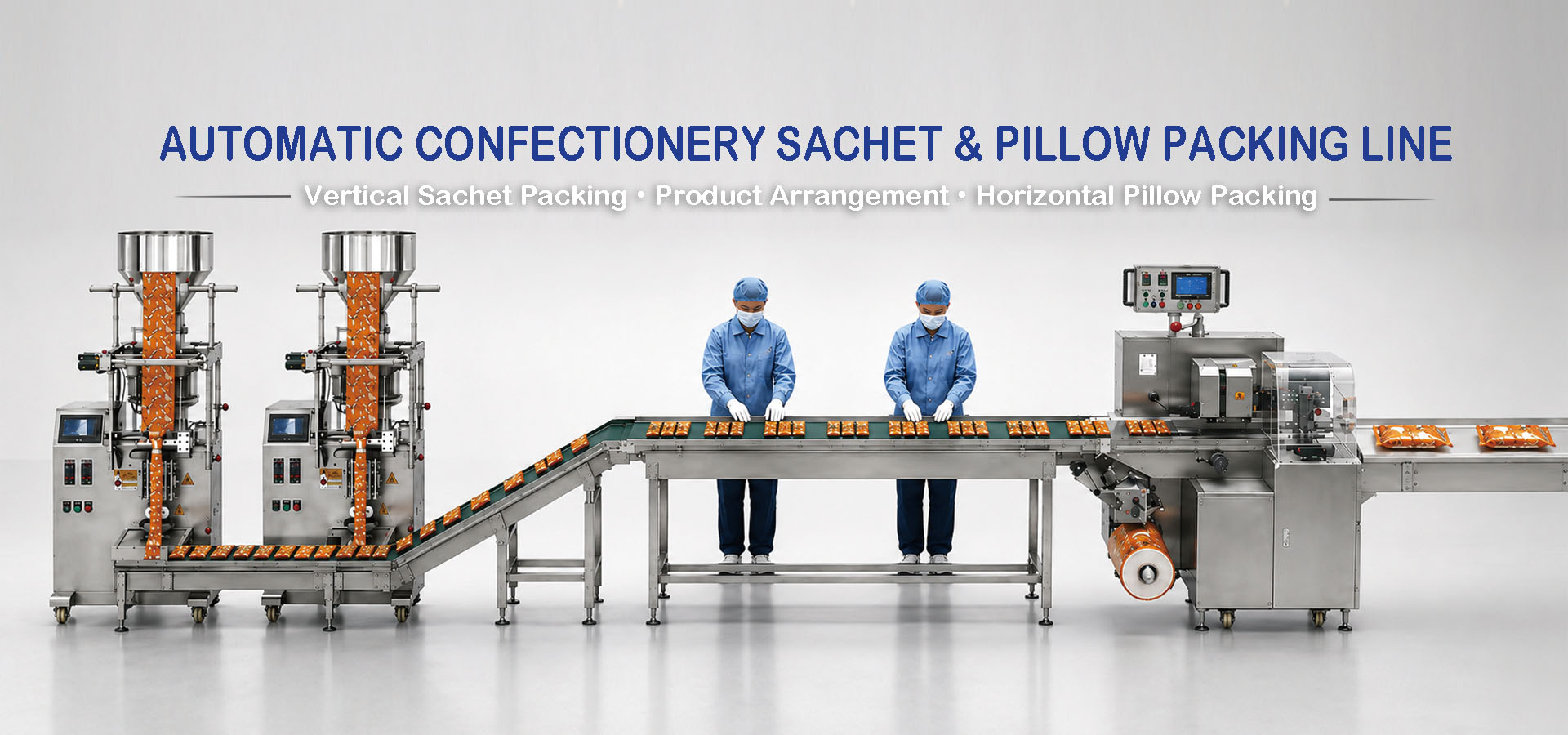
Our self-adhesive labeling machines deliver accurate and high-speed labeling for bottles, boxes, bags, and diverse packaging formats. ✓ Wide Range of Models: Available in both fully automatic and semi-automatic configurations. ✓ Versatile Applications: Includes top surface, round bottle, double-sided, and custom labelers. ✓ Fully Customizable: Tailored to your specific label specifications, positions, and production capacity.
Read More
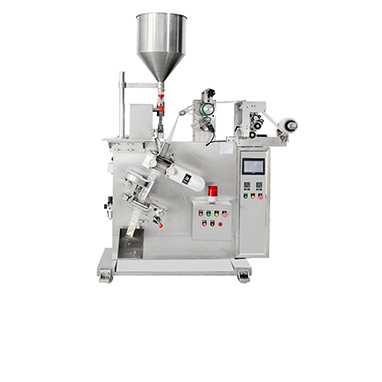
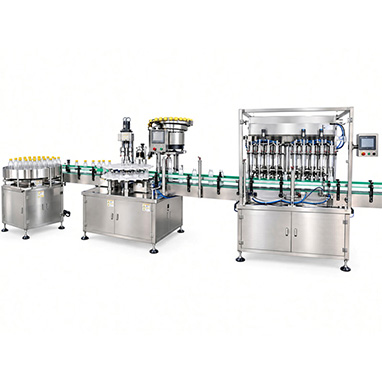
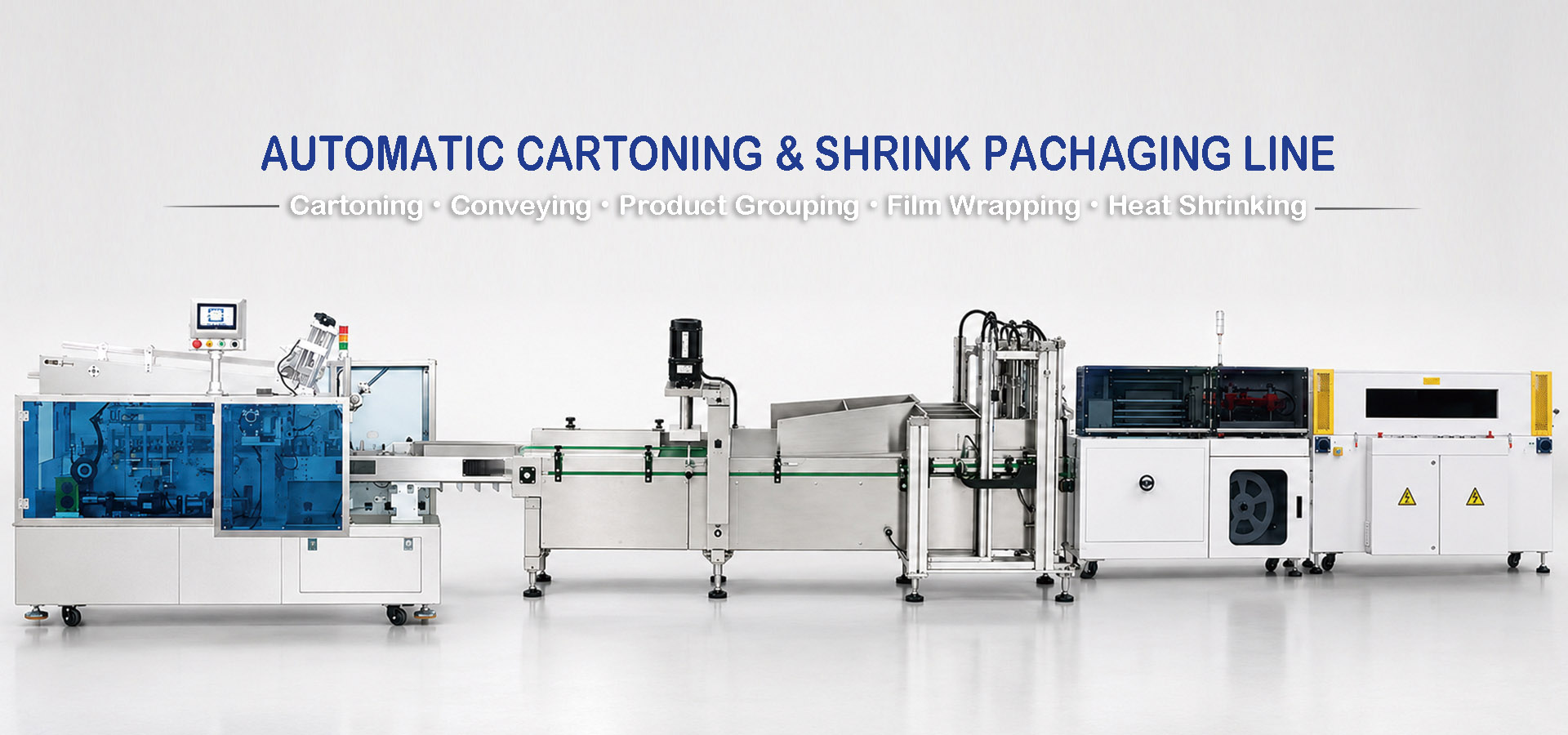
Our filling and capping machines provide accurate and efficient solutions for packaging liquids and viscous products in bottles. Available in automatic and semi-automatic configurations, these machines ensure consistent filling and reliable cap tightening. Customized solutions are available based on customers' product characteristics, bottle and cap specifications, filling volumes, and production capacity requirements.
Read More
EPK Packingline
Years of experience

Company Employee
Country of Cooperation
Company Annual Turnover(m)
Certificate of Honor
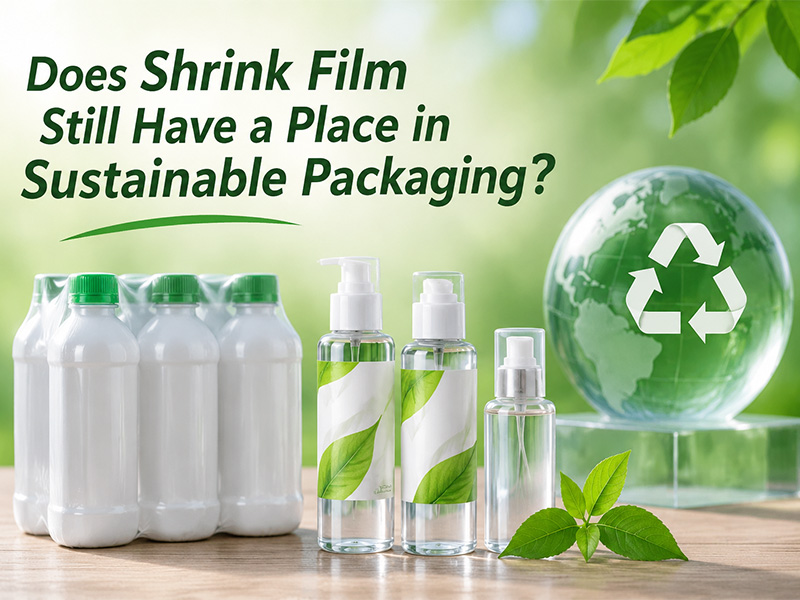
As environmental awareness grows, the packaging industry is facing increasing pressure to reduce plastic waste and adopt more sustainable materials. This raises an interesting question: Does shrink film still have a place in the future of packaging? Although shrink film is widely used in household products, cosmetics, food, and beverage packaging, its environmental impact has become an important consideration for manufacturers. 1. Why Does Shrink Film Remain Popular? Despite environmental concerns, shrink film continues to offer several practical advantages: Product Protection: Helps protect products from dust, moisture, and external contact during storage and transportation. Multipack Packaging: Bundles multiple products together, making handling, storage, and transportation more convenient. Lightweight and Flexible: Adapts to different product sizes while providing a neat packaging appearance. Tamper Evidence: Certain applications provide visible evidence of package opening. These benefits explain why shrink film remains widely used across different industries. 2. What Are the Environmental Challenges? Traditional shrink films are generally made from plastic materials, which creates several challenges: Plastic waste from improper disposal. Difficulties in collecting and recycling flexible films. Excessive material consumption caused by unnecessary packaging. Recycling challenges when different materials are combined. Regulations such as the EU Packaging and Packaging Waste Regulation (PPWR) are also pushing the industry toward better recyclability, reduced packaging waste, and more responsible material use. 3. How Can Shrink Packaging Become More Sustainable? The future may not be about eliminating shrink film completely, but about using it more responsibly. Here are three important directions: Reduce Film Consumption: Use thinner films where technically suitable and avoid unnecessary packaging materials. Choose Suitable Materials: Consider recyclable film options based on packaging requirements and local recycling infrastructure. Improve Packaging Efficiency: Optimize sealing, cutting, temperature, and conveyor speed to reduce defective packages and material waste. 4. Does Shrink Film Still Have a Future? Yes. Shrink film still plays an important role in product protection, retail presentation, and multipack packaging. However, manufacturers need to pay greater attention to material selection, recyclability, and production efficiency. At EPK Machinery, we provide heat shrink wrapping machines, steam shrink tunnels, and labeling solutions for different packaging applications. We believe that the future of shrink packaging is not simply about using less material, but about making better use of every material through suitable packaging design and efficient machinery. Sustainable packaging starts with smarter material choices and more efficient production.
Read More
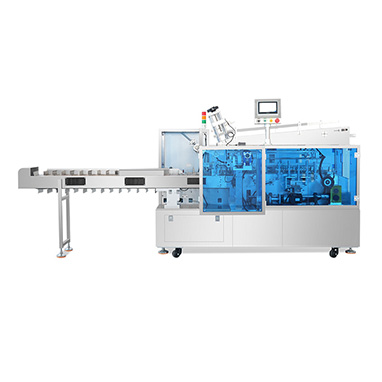
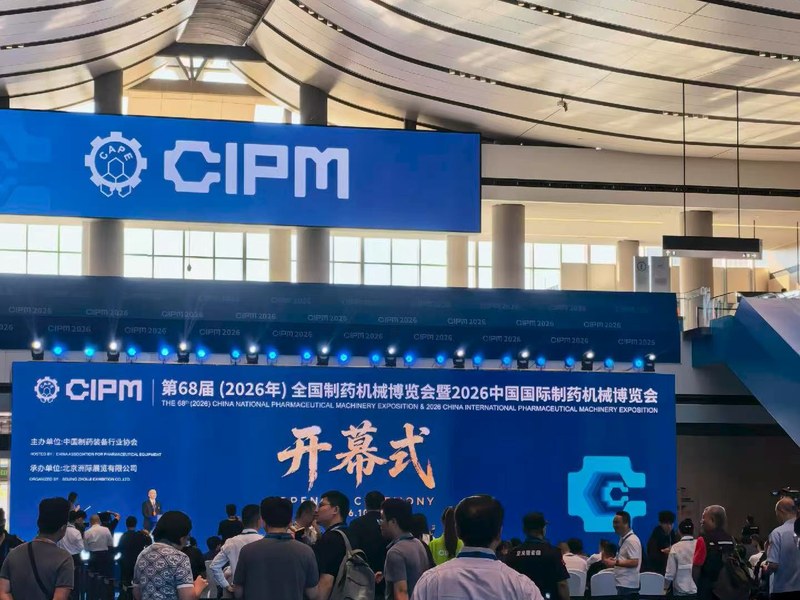
The 68th China National Pharmaceutical Machinery Exposition (CIPM 2026) was successfully held from October 27 to 29, 2026, at Xiamen International Expo Center, bringing together pharmaceutical machinery manufacturers, technology suppliers, industry professionals, and visitors from around the world. As one of China's major professional exhibitions for the pharmaceutical equipment industry, this year's event attracted more than 1,800 pharmaceutical equipment companies from nearly 30 countries and regions, with an exhibition area exceeding 230,000 square meters. A Major Platform for Pharmaceutical Machinery Innovation The exhibition covered a wide range of sectors, including raw material processing equipment, pharmaceutical production machinery, pharmaceutical packaging equipment, laboratory and testing instruments, and intelligent manufacturing technologies. One of the important highlights was the growing focus on automation, digitalization, and integrated production solutions. Manufacturers are increasingly looking beyond individual machines and focusing on improving production efficiency, packaging consistency, and overall line coordination. Pharmaceutical Packaging: From Individual Machines to Integrated Solutions Packaging plays an essential role in pharmaceutical production, particularly in product protection, identification, presentation, and secondary packaging. Several types of equipment remain important to modern pharmaceutical packaging operations: Cartoning Machines: Automatic cartoning machines help place bottles, tubes, blister packs, and other products into cartons, improving packaging efficiency and consistency. Automatic Labeling Machines: Labeling systems provide accurate label application for bottles, containers, and other pharmaceutical packaging formats. Shrink Wrapping Machines: Heat shrink packaging equipment provides an additional packaging layer for cartons, grouped products, and other suitable applications. Bottle Packaging Lines: Integrated systems can combine product feeding, filling, capping, labeling, and subsequent packaging processes. Automatic Packaging Lines: Coordinated equipment helps manufacturers improve workflow efficiency and reduce manual handling between production stages. As pharmaceutical manufacturers continue to upgrade their facilities, flexible equipment configurations and well-coordinated packaging processes are becoming increasingly important. Looking Ahead: More Efficient and Flexible Packaging Solutions CIPM 2026 provided an opportunity for industry professionals to exchange ideas, explore new technologies, and understand the changing requirements of pharmaceutical manufacturing and packaging. For packaging machinery suppliers, these developments also highlight the importance of providing practical solutions that match different product formats, packaging materials, production capacities, and factory layouts. At EPK Packingline, we focus on packaging equipment and customized packaging solutions, including cartoning machines, automatic labeling machines, heat shrink packaging machines, and integrated packaging systems. We will continue to develop practical and reliable packaging equipment to help manufacturers improve packaging efficiency and meet their evolving production requirements. Looking for suitable packaging machinery for your products? Contact EPK Packingline to discuss your packaging requirements.
Read More
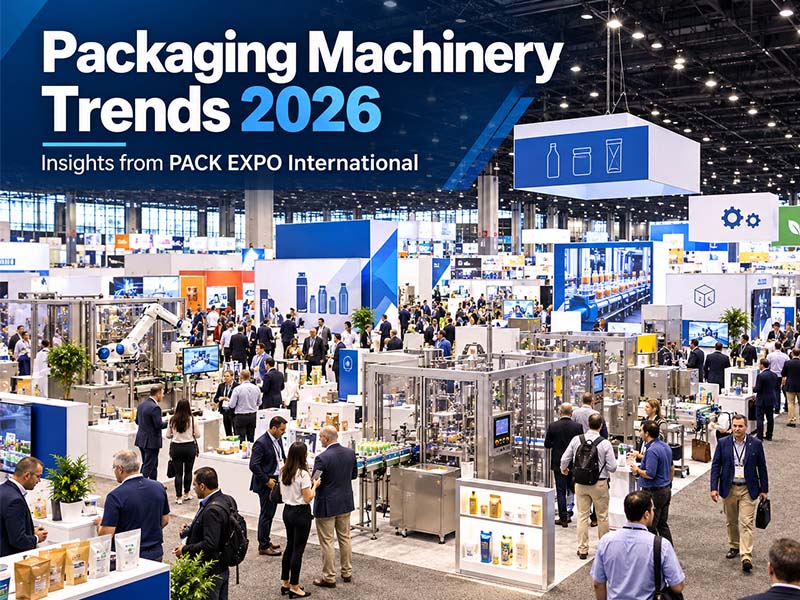
PACK EXPO International 2026 is taking place in Chicago, USA, from October 18–21, bringing together more than 2,700 exhibitors from across the packaging and processing industries. Organized by PMMI, the event highlights developments in packaging automation, robotics, digital technology, and sustainable packaging solutions. For manufacturers considering new packaging equipment, several important trends are emerging. 1. Flexible Packaging Equipment Becomes More Important As manufacturers introduce more product sizes, packaging formats, and shorter production runs, equipment flexibility is becoming an increasingly important investment consideration. According to PMMI's 2026 State of the Industry Report, manufacturers are placing greater emphasis on adaptable machinery capable of handling changing production requirements. For packaging lines, this means considering product changeovers, equipment adjustments, and future production needs during the machine selection process. 2. Integrated Packaging Lines Gain Attention Rather than evaluating each machine separately, manufacturers are increasingly considering how individual processes work together. A complete packaging line may combine filling, capping, labeling, shrinking, conveying, and end-of-line packaging. Effective equipment coordination can help reduce unnecessary manual handling, maintain a consistent production flow, and simplify daily operations. However, successful integration requires careful consideration of machine capacity, conveyor connections, product handling, and available installation space. 3. Digital Technology and Automation Continue to Develop Automation, robotics, and AI are among the technologies highlighted at PACK EXPO International 2026. Emerging applications include production monitoring, equipment troubleshooting, inspection, and operational support. While the appropriate technology depends on each manufacturer's needs, these developments reflect growing interest in improving production efficiency and reducing operational interruptions. 4. Sustainability Influences Packaging Machinery Selection Changes in packaging materials and sustainability requirements are also influencing equipment decisions. Manufacturers may need to consider whether their machinery can accommodate different films, labels, containers, and packaging formats. For heat shrinking, sealing, and labeling applications, material compatibility and appropriate machine settings remain important to achieving reliable packaging results. What These Trends Mean for Packaging Manufacturers The direction of the industry is clear: packaging equipment selection is increasingly about finding the right combination of automation, flexibility, and production compatibility. At EPK Packingline, we provide customized packaging equipment and integrated line solutions covering filling, capping, labeling, shrink wrapping, cartoning, and other packaging processes. We help customers evaluate their products, packaging materials, production capacity, and factory layout to identify suitable equipment configurations. Planning a new packaging line or upgrading existing equipment? Contact EPK Packingline to discuss your production requirements and explore a packaging solution tailored to your application.
Read MoreScan to Whatsapp :
Scan to wechat :