


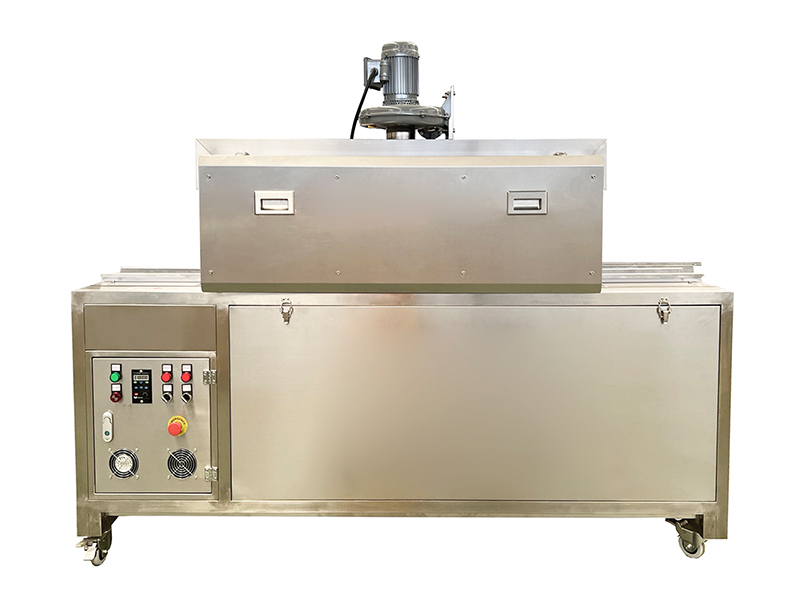
When choosing a shrink packaging machine, one of the most common questions packaging engineers face is: Should I choose a steam shrink tunnel or an electric heat shrink tunnel?
The answer is not simply about which machine is universally superior. The right choice mainly depends on your product type, container material, shrink film specifications, and desired packaging finish.
In general, steam shrink tunnels are engineered for bottles and containers (especially plastic bottles), while electric heat shrink tunnels are ideal for cartons, boxes, and products wrapped with POF film. Let's take a comprehensive look at the differences, backed by technical performance data.
Quick Comparison: Steam vs. Electric Shrink Tunnels
| Feature | Steam Shrink Tunnel | Electric Heat Shrink Tunnel |
|---|---|---|
| Primary Application | Bottles, Jars, Complex Containers | Cartons, Boxes, Bundled Goods |
| Compatible Shrink Film | PET, PETG, PVC (High Shrinkage) | POF, PVC, PE |
| Operating Temperature | 80°C – 100°C (Saturated Steam) | 150°C – 250°C (Hot Air Circulation) |
| Max Film Shrinkage Rate | Up to 75% – 80% (MD/TD) | Up to 50% – 60% |
| Deformation Risk | Very Low (Ideal for thin plastics < 0.03mm) | Higher for thin plastic containers |
| Typical Line Speed | 6,000 – 24,000 bottles/hour | 15 – 40 packs/minute (Boxes) |
1. Bottle or Carton? Your Product Matters
The type of container you are packaging is one of the most critical decision-making parameters. For plastic bottles, a steam shrink tunnel is almost always the superior choice due to thermal sensitivity.
Plastic containers (such as thin-walled PET bottles with a wall thickness of 0.2mm to 0.4mm) can easily warp, wrinkle, or deform when exposed to intense electric hot air currents (often exceeding 180°C) for extended periods. Steam tunnels use saturated steam operating at a gentle 80°C to 100°C to transfer heat omni-directionally, ensuring a wrinkle-free label finish without compromising container integrity.
Typical Use Cases & Output References:
- Steam Shrink Tunnels: PET beverage bottles, mineral water bottles, juice containers, and cosmetic bottles. Suited for high-speed automated lines running at 100 to 400 bottles per minute (BPM).
- Electric Heat Shrink Tunnels: Gift boxes, paper cartons, food boxes, and multi-pack promotional bundles. Suited for medium-speed lines running at 15 to 50 packs per minute.
Utility & Energy Consumption Comparison
| Equipment Type | Power Requirement | Additional Requirements |
| Small Steam Tunnel System | 3 kW – 6 kW (Tunnel blower & conveyor) | External Steam Generator / Boiler (e.g., 24kW – 36kW electric boiler or gas boiler) |
| Standard Electric Heat Tunnel | 9 kW – 22 kW (Heating elements & blowers) | None (Runs directly on standard 3-phase factory power) |
2. PET Film vs. POF Film: Shrink Film Compatibility
The material composition of your shrink sleeve or film dictates how energy must be absorbed for optimal shrinkage.
PET/PETG Shrink Film → Steam Shrink Tunnel
PETG and high-shrinkage PET films (typically with a transverse shrink rate of 70% to 75%) demand precise, uniform temperature control. Steam provides optimal latent heat release, allowing the film to conform smoothly to complex container contours, curves, and indented bottle shapes without localized overheating or pinholes.
POF Shrink Film → Electric Heat Shrink Tunnel
Polyolefin (POF) film (typically 15 to 25 microns thick) reacts exceptionally well to forced hot-air circulation operating between 140°C and 180°C. Electric heat tunnels provide the high-velocity air streams necessary to activate POF film tight shrinkage around boxes and geometric shapes.
3. Summary Selection Guide
To summarize your selection process quickly, reference the general rule of thumb below:
- Plastic Bottle + PET/PETG Film (Thickness 0.03mm – 0.05mm): Choose a Steam Shrink Tunnel.
- Carton/Box + POF Film (Thickness 0.015mm – 0.025mm): Choose an Electric Heat Shrink Tunnel.
4. Technical Consultation & Custom Testing
Selecting packaging machinery based solely on upfront equipment cost can lead to poor packaging quality and high return rates. To receive an accurate engineering recommendation, please prepare the following parameters when contacting our technical support team:
- Product type and container geometry (Height x Diameter/Width)
- Container material (PET, HDPE, glass, paperboard, etc.)
- Shrink film type (PET, POF, PVC) and thickness (measured in microns / mil)
- Target production speed (e.g., 30 packs/min or 150 bottles/min)
With these details, our engineering team can match you with the optimal system or arrange a sample shrink test using your actual products and films.
The best shrink tunnel is not necessarily the most expensive one—it is the one engineered to deliver flawless aesthetic results for your specific application requirements.